
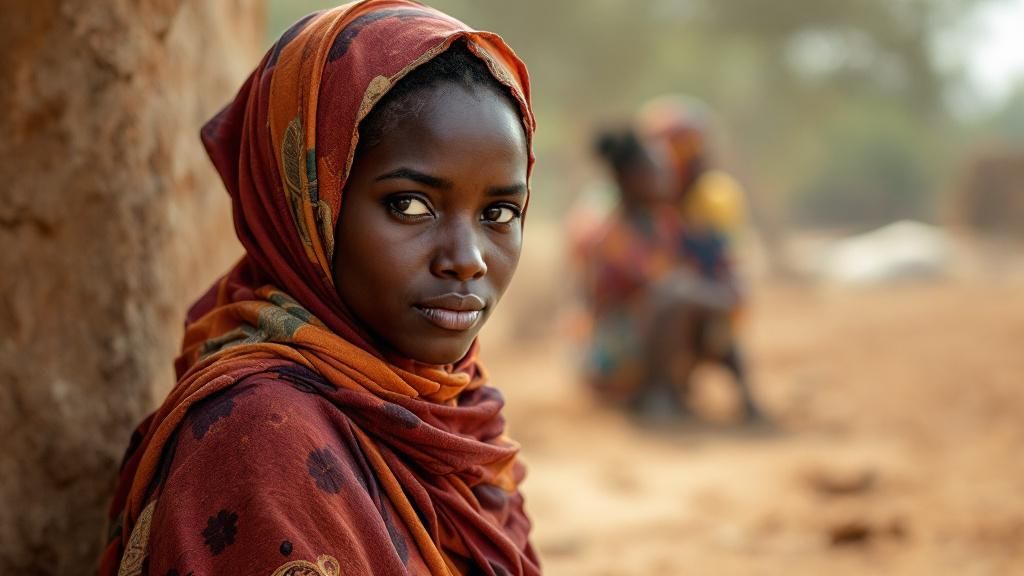
Sub-Saharan Africa encounters an unparalleled humanitarian catastrophe, with millions of people in precarious situations ensnared by intensifying cycles of deprivation, sickness, and relocation. Propelled by conflict, climate change, and economic collapse, this crisis endangers whole populations and overwhelms highly vulnerable healthcare and food systems. This article examines the multifaceted dimensions of this catastrophe, exploring its root causes, profound human cost, and the international response efforts currently taking place to respond to this urgent crisis impacting the region’s most excluded communities.
The Extent of the Situation
The humanitarian crisis affecting Sub-Saharan Africa has reached unprecedented proportions, with an estimated 282 million people currently facing severe hunger. This alarming number constitutes a significant increase from prior years, demonstrating the cumulative impact of prolonged conflict, devastating droughts, and economic deterioration. Many areas have turned inaccessible to aid organisations, depriving at-risk communities—particularly children, elderly persons, and those with disabilities—lacking vital assistance, clean water, and medical assistance.
The crisis unfolds across various interconnected dimensions, creating a confluence of suffering. Malnutrition rates have climbed to concerning levels, with child death rates climbing sharply in affected areas. Simultaneously, disease outbreaks such as cholera and measles transmit swiftly through densely packed displacement centres where sanitation is dangerously insufficient. Healthcare infrastructure, already under immense pressure, keeps deteriorating as healthcare workers abandon affected areas, leaving communities entirely bereft of fundamental medical services and emergency services.
Factors Behind the Humanitarian Crisis
The humanitarian emergency occurring in Sub-Saharan Africa stems from a intricate combination of interconnected factors that have developed over many years. Armed violence, particularly in areas including South Sudan, Somalia, and the Democratic Republic of Congo, has uprooted millions of people and damaged essential infrastructure. Simultaneously, environmental shifts has worsened droughts and unpredictable weather patterns, severely impacting farm output and pastoral livelihoods. Economic mismanagement, alongside falling raw material costs and reduced foreign investment, has further weakened state ability to deliver essential services and social protection to at-risk communities.
Intensifying these structural challenges are fundamental deficiencies in healthcare infrastructure, education systems, and governance frameworks that leave communities ill-equipped to respond to emergencies. Malnutrition levels have increased dramatically, particularly in child populations, whilst disease outbreaks propagate swiftly through densely populated displacement camps and urban settlements. The convergence of these crises has created a perfect storm: communities facing concurrent dangers from violence, hunger, illness, and environmental degradation are without the resources and support structures necessary for survival. Without prompt assistance, these drivers will sustain cycles of suffering and vulnerability across the region.
Impact on Disadvantaged Populations
The humanitarian emergency in Sub-Saharan Africa has a disproportionate impact on the most vulnerable populations, such as children, women, and internally displaced people. These communities experience interconnected difficulties as existing inequalities are worsened by conflict, displacement, and resource scarcity. Limited access to safe water, sanitation facilities, healthcare, and schooling creates cascading health emergencies. Marginalised communities struggle to access emergency support because of geographic isolation, insecurity, and systemic barriers, resulting in millions facing severe hardship requiring urgent international intervention and support.
Children and Nutritional Deficiency
Child undernourishment has escalated dramatically across Sub-Saharan Africa, with countless children enduring acute and chronic undernourishment. Extended warfare obstruct food systems infrastructure, whilst environmental water scarcity severely damage farming output. Restricted medical services prevents timely treatment in nutritional deficiencies, resulting in avoidable fatalities and developmental complications. Malnutrition weakens children’s immune systems, heightening risk to infectious diseases including malaria, cholera, and respiratory infections. Without urgent humanitarian intervention, entire populations of children faces impaired growth and mental development.
The emotional toll of undernourishment goes further than physical health, impacting children’s psychological welfare and educational outcomes. Profoundly malnourished children show developmental delays, reduced cognitive function, and reduced learning potential. Educational facilities shut down in conflict zones, preventing access to children vital nutritional support and learning access. Families find it difficult to purchase additional nutrition, forcing difficult decisions between buying meals and accessing medical care. Relief organisations highlight alarming increases in cases of severe acute malnutrition, especially among children below five years of age.
- Acute malnutrition impacts approximately forty million children across the region.
- Stunting rates surpass forty percent in multiple Sub-Saharan nations.
- Malaria and diarrhoea worsen nutritional deficiencies markedly.
- School feeding programmes offer critical dietary support for at-risk children.
- Emergency food support necessitates continuous international financial support and support.
International Response and Future Outlook
The worldwide community has mobilised considerable resources to tackle the humanitarian disaster in Sub-Saharan Africa, with the United Nations, World Health Organisation, and various non-governmental organisations providing emergency support across crisis-affected areas. However, existing funding levels remain significantly below what humanitarian bodies deem necessary to address the magnitude of need. Contributing countries and international organisations must markedly boost financial commitments whilst at the same time addressing the underlying causes of instability. Collaboration between global institutions and national governments remains essential for guaranteeing assistance reaches the most disadvantaged communities with both effectiveness and efficiency.
Looking forward, the direction of this crisis depends critically upon ongoing international engagement and sustained funding in sustainable development. Establishing resilient healthcare systems, strengthening food security infrastructure, and advancing peacebuilding efforts are vital for averting continued decline. The global community must reconcile urgent humanitarian aid with comprehensive strategies addressing conflict resolution, adapting to climate change, and economic development. In the absence of strong action and significant funding commitments, Sub-Saharan Africa confronts the risk of deepening humanitarian catastrophe, demanding increasingly costly interventions whilst vulnerable populations endure avoidable hardship.
